Bringing the Nordic Chill Home: How Hygge Is Changing the Way Americans Decorate for Winter

Somewhere between a Pinterest board and a deep January snowstorm, millions of Americans discovered a Danish word they couldn't quite pronounce but absolutely understood: hygge. Say it like "hoo-gah" and you're close enough. Feel it like a thick wool blanket, a flickering candle, and a mug of something warm in your hands — and you've basically got it.
The concept has been floating around US lifestyle culture for nearly a decade, but in the last few winters, it's moved from a niche design trend to a full-on aesthetic movement. Interior designers across the country are fielding more requests for "that cozy Scandinavian look," and home goods retailers are stocking shelves with linen throws, birchwood candle holders, and muted ceramic mugs faster than they can reorder.
So what's actually driving this shift, and how do you bring it home without turning your living room into an IKEA catalog?
What Hygge Really Means (It's More Than Just Candles)
Hygge is a Norwegian and Danish concept that loosely translates to a feeling of coziness, comfort, and collective well-being. It's not a design style in the traditional sense — it's more of a philosophy that design can support. Danes practice hygge year-round, but it's most deeply felt in winter, when the days are brutally short and staying inside with people you love becomes both a necessity and a ritual.
The design elements associated with hygge — warm lighting, natural materials, soft textiles, clutter-free spaces — all serve a single purpose: making a room feel safe, warm, and genuinely welcoming. Not Instagram-ready. Actually comfortable.
That distinction matters. A lot of American home décor leans toward aesthetics that look great in photos but don't necessarily feel good to live in. Hygge flips that entirely.
Why Americans Are Embracing It Now
Let's be honest — the last several years have pushed a lot of people to reconsider what "home" actually means. When the outside world feels chaotic or cold (literally and figuratively), the instinct to create a personal sanctuary gets stronger.
Interior designer Mara Ellison, who works with clients across the Midwest and Pacific Northwest, says she's seen a noticeable shift in what people are asking for. "Before, clients wanted statement pieces — bold colors, dramatic furniture. Now they're coming to me wanting rooms that feel like a hug. They want warmth, softness, simplicity. That's hygge, even if they don't call it that."
Nordic design has always been respected in American architecture and furniture circles, but the cultural crossover happening right now goes deeper than aesthetics. It's about reclaiming the idea that home is a restorative place — not just a backdrop for life, but an active participant in how you feel.
The Core Design Principles to Know
You don't need to gut-renovate your apartment to get the hygge effect. It's more about layering small, intentional choices than making sweeping changes. Here are the principles that matter most:
Warm, layered lighting. Overhead lighting is basically the enemy of hygge. Scandinavian design favors multiple low light sources — table lamps, floor lamps, candles, and string lights — that create pools of warmth rather than flooding a room with brightness. Swap out harsh white bulbs for warm-toned options in the 2700K range and watch your whole living room feel different.
Natural materials. Wood, wool, linen, stone, and leather are the building blocks of Nordic interiors. These materials age beautifully, feel good to touch, and bring a sense of groundedness that synthetic alternatives can't replicate. Even small swaps — a wooden tray, a linen pillow cover, a wool throw — make a real difference.
A muted, nature-inspired palette. Think the colors of a Scandinavian winter: soft whites, warm grays, dusty greens, deep charcoals, and warm creams. This doesn't mean your space has to feel cold or sterile. Layering textures within a neutral palette creates richness without visual noise.
Intentional clutter reduction. Hygge spaces aren't minimalist in a stark, empty way — they're curated. Every object should earn its place by being either useful or genuinely meaningful. A shelf full of books you've actually read, a few plants, one or two pieces of art that matter to you. That's it.
Textiles everywhere. Blankets draped over sofas. Thick rugs underfoot. Cushions in varying textures. In Nordic homes, you layer textiles the way you layer clothing — and the result is a room that physically feels warmer, even before you turn up the heat.
Making It Work in a Typical American Home
One of the reasons hygge translates so well across different home styles is that it's about feeling, not formula. Whether you're in a studio apartment in Chicago, a colonial in the suburbs of Boston, or a ranch house in Colorado, the same principles apply.
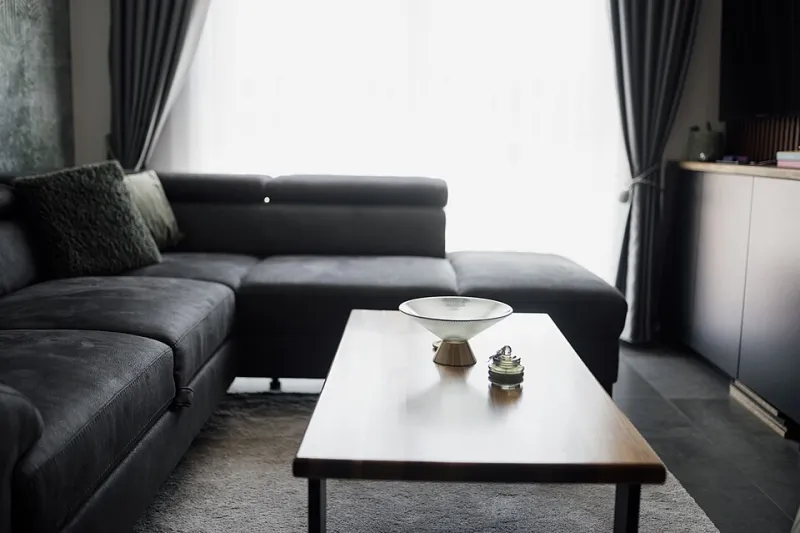
Start with your living room, since that's where most of us spend winter evenings. Add a floor lamp or two to replace overhead lighting. Layer a chunky knit throw over your couch. Put a wooden tray on your coffee table and use it to corral candles and a small plant. These three moves alone will shift the atmosphere of a room noticeably.
For bedrooms, focus on bedding first. High-quality flannel sheets, a duvet with real loft, and at least one extra blanket folded at the foot of the bed create that nest-like quality that's central to hygge. Add blackout curtains in a warm neutral tone and you've got a room that genuinely invites rest.
In the kitchen, the hygge move is to make the space feel lived-in and welcoming rather than purely functional. A wooden cutting board left out on the counter, a bowl of citrus, a kettle that lives on the stove — these small things signal that this is a place where good, nourishing things happen.
The Bigger Picture
What's quietly radical about the hygge movement is that it pushes back against the idea that more is better. Nordic design is fundamentally about choosing less, but choosing well. It's about investing in a few really good things — a beautiful lamp, a quality throw, a rug that feels incredible underfoot — rather than filling space with stuff that doesn't serve you.
For Americans who've grown up in a culture that often equates abundance with comfort, that shift in thinking can feel genuinely liberating. Your home doesn't have to be perfect or fully decorated or ready for a photo shoot. It just has to feel good to be in.
And on a snowy day in January, when the wind is pushing against the windows and you're curled up under a wool blanket with a warm drink and good light? That's hygge. And honestly, that's everything.