Stitch by Stitch: How Knitting Became America's Favorite Anxiety Antidote
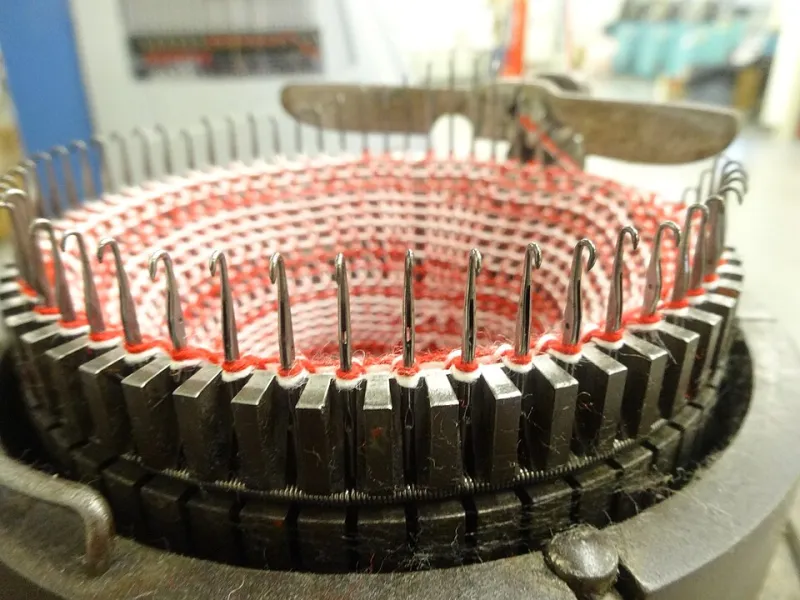
Photo: webqueen-1444369, CC0, via Wikimedia Commons
There's a particular sound that fills a snowed-in evening better than any playlist: the soft click of needles, the rhythm of yarn slipping through fingers, the occasional satisfied tink of a stitch done right. If you've noticed more people under 35 clutching project bags at coffee shops from Portland to Portland, you're not imagining it. Knitting has quietly become one of America's most popular self-care rituals—and honestly, it makes perfect sense.
The Craft Renaissance Nobody Saw Coming
When the pandemic stranded us all at home in 2020, sourdough starters got the headlines. But yarn shops saw something bigger: a genuine surge in people picking up needles and hooks for the first time. Craft industry groups reported double-digit growth in knitting and crochet participation, and unlike the banana bread phase, this one stuck around.
Part of it is practical. Part of it is digital fatigue. After a day of screens, meetings, and doom-scrolling, there's something almost radical about making a physical object with your hands, one slow row at a time. Gen Z crafters on TikTok and Instagram have turned yarn into content—there are millions of posts tagged #knittingtok—but the real magic happens offline, in the quiet space between stitches.
What Science Says About Repetitive Handwork
This isn't just cozy folklore. Researchers studying repetitive crafts have found that rhythmic hand movement—like knitting—can lower heart rate, reduce cortisol levels, and induce a state not unlike meditation. One frequently cited study from Harvard's Benson-Henry Institute found knitting could reduce stress hormones significantly, and occupational therapists have used the craft therapeutically for decades.
Psychologists point to a few reasons it works:
- Bilateral stimulation. Using both hands in rhythm engages the brain in a way that crowds out anxious thought loops.
- Visible progress. Unlike most modern work, a scarf grows. You can see and touch what you accomplished.
- Flow state on demand. The pattern holds just enough attention to pull you out of your head without demanding everything you've got.
For people managing anxiety, that combination is gold. It's meditation for those of us who can't sit still.
Beginner Projects That Won't Break Your Spirit
Skip the intimidating fair isle cardigan. The classic starter path looks like this:
- A garter stitch scarf. One stitch, repeated until it becomes muscle memory. Yes, it takes a while. That's the point.
- A chunky knit hat. Big yarn, big needles, fast results—finished in an evening or two, which does wonders for motivation.
- Simple fingerless mitts. A gentle introduction to working in the round, and a genuinely useful winter accessory.
- A basic granny square blanket. The crochet route: each square is a small win, and the blanket grows all winter.
Pro tip: choose a light-colored, worsted-weight yarn for your first project. You can actually see your stitches, which makes learning infinitely easier.
Where to Shop and Who to Know
America's local yarn stores (the community calls them LYSes) are having a moment. Shops like Jimmy Beans Wool in Reno, Nevada, have built national followings with warm, beginner-friendly service and livestreamed events. Webs in Northampton, Massachusetts, is a destination in itself, while knit socials at shops in Minneapolis, Asheville, and Brooklyn fill up weeks in advance.
Online, Ravelry remains the craft's beating heart—a massive pattern database and community where you can find tutorials for literally any technique. YouTube channels like VeryPink Knits offer free, patient instruction that's better than most paid classes.
The Winter Ritual Worth Adopting
At Snowy Day Design, we think knitting pairs perfectly with everything we love about the season: a steaming mug, a wool blanket, the first real snow falling outside the window. It's slow in the best way. It produces gifts that mean something. And unlike most wellness trends, it doesn't come with a subscription fee.
So this winter, when the forecast turns white, consider casting on. Your anxiety doesn't stand a chance against a good pair of needles.