The Thrifted Winter: Why Secondhand Cold-Weather Style Is Beating the Mall
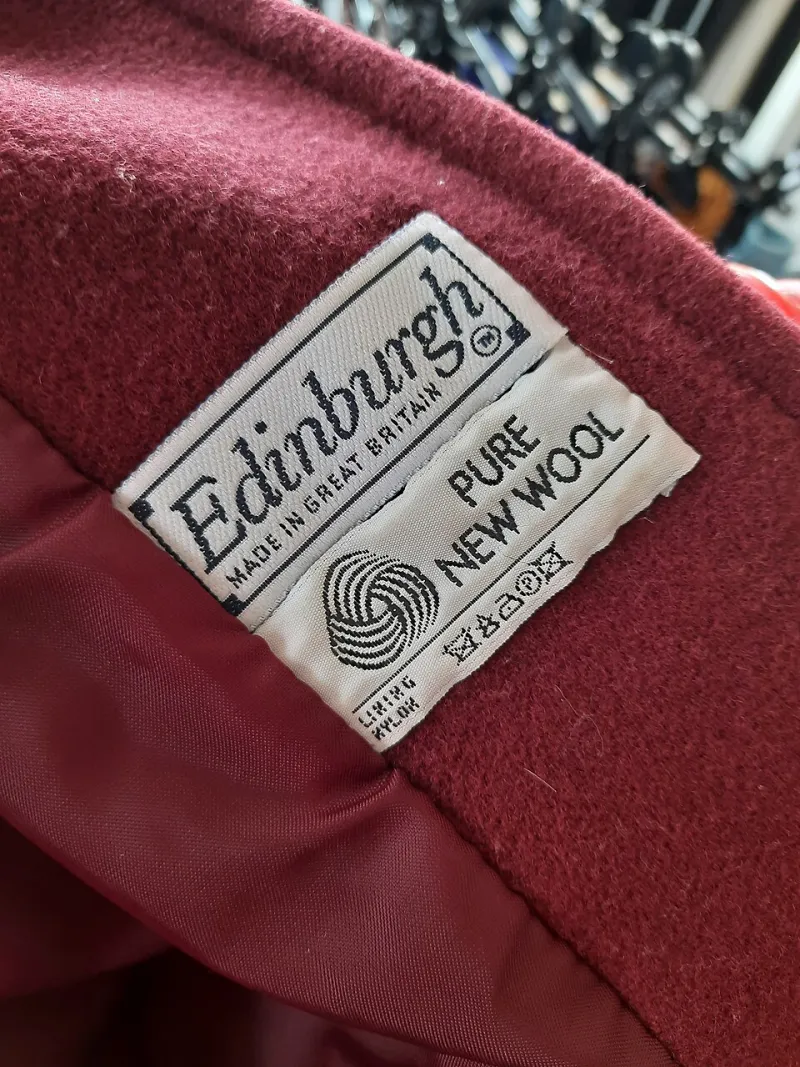
Photo: MAKY.OREL, CC0, via Wikimedia Commons
Somewhere in a Goodwill in Minnesota right now, a genuine L.L.Bean wool field coat—probably older than whoever donated it—is hanging on a rack with a $14.99 tag. Meanwhile, a fast fashion website is selling a polyester lookalike for $60 that will shed microplastics into every wash and give up by March. One of these coats will outlive you. Guess which one's winning in the market right now.
Secondhand winter shopping has exploded, and it's not just a trend—it's a quiet revolution in how Americans dress for the cold.
The Numbers Don't Lie
The secondhand market has grown several times faster than traditional retail over the past few years, driven largely by younger shoppers. ThredUp's annual resale reports keep finding the same thing: a majority of Gen Z and millennial consumers actively shop secondhand, and winter gear is a major category. The reasons stack up neatly.
The cost argument. A quality wool coat new runs $300 to $800. The same coat, gently used, might be $40 at a consignment shop. When a single season's heating bill is already painful, nobody's excited about paying full freight for outerwear.
The environmental argument. Fashion is one of the world's most polluting industries, and winter clothes—dense, material-heavy, often synthetic—carry a big footprint. Buying a vintage down jacket that already exists generates essentially zero new manufacturing impact. It's the most sustainable purchase available, full stop.
The quality argument. Here's the thing nobody says out loud: they don't make 'em like they used to. A 1980s Eddie Bauer down parka or a Pendleton wool coat was built for decades of hard winters. Much of what's sold new today is engineered for a few seasons, max.
How to Hunt Like a Pro
Thrift store winter gear requires a sharp eye. Our field-tested checklist:
- Read the tag, not the style. Look for 100% wool, genuine down (check the fill power if labeled), leather, and fur alternatives in good condition. Blends with under 30% natural fiber will disappoint.
- Inspect the stress points. Check elbows, cuffs, seams, and zipper function. A missing button is a five-minute fix; a blown seam in a lined coat is a project.
- Sniff test, then decide. Moth damage and mildew smell in wool are often dealbreakers—or a one-way trip to a dry cleaner, if the price is right.
- Try it over layers. Winter coats need room for a sweater underneath. The fit that works over a t-shirt in July will fail you in January.
- Know your vintage gold. Labels like Pendleton, Woolrich, L.L.Bean, Filson, and older Patagonia and The North Face (look for made-in-USA tags) signal serious quality.
The Story Beats the Tag
Here's our honest opinion: the best part of a thrifted winter wardrobe isn't the price or even the planet-friendliness. It's the story.
Nobody asks you about a coat bought off a rack last Tuesday. But a 1970s ski jacket with a Salzburg patch, found at a church rummage sale in Vermont? That jacket starts conversations. It has a past, and now it has a future with you. There's a romance to it that fast fashion simply cannot manufacture, no matter how many 'vintage-inspired' labels it slaps on.
There's also a deeper satisfaction in the hunt itself. Scouring racks on a Saturday morning, finding that perfect Fair Isle sweater in exactly your size, feels like winning a small lottery. The algorithm never gives you that feeling.
This Winter, Shop the Racks
The first snow is coming, and the thrift stores are already stocking the good stuff—winter donations peak right about now as people clean out closets before the holidays. Beat the rush, bring cash, and check the men's section even if it's not your size bracket (vintage sizing is chaotic, and men's XL wool sweaters fit everyone beautifully).
Your winter style doesn't need to be new. It needs to be warm, well-made, and unmistakably yours. Turns out, someone already made that coat decades ago—and they made it better.